Force sensing technology in large-scale die-casting machines
Desson Sensor maintains accuracy for ten years.
With the continuous increase in the demand for lightweight and integrated vehicle bodies in the new energy vehicle industry, large-scale die-casting technology is becoming the mainstream production process. It is expected that by 2026, more new energy vehicle manufacturers will use large die-casting machines to manufacture vehicle body components. In this technological evolution, force sensors, as the core component ensuring the accuracy and stability of the die-casting process, play an irreplaceable role.
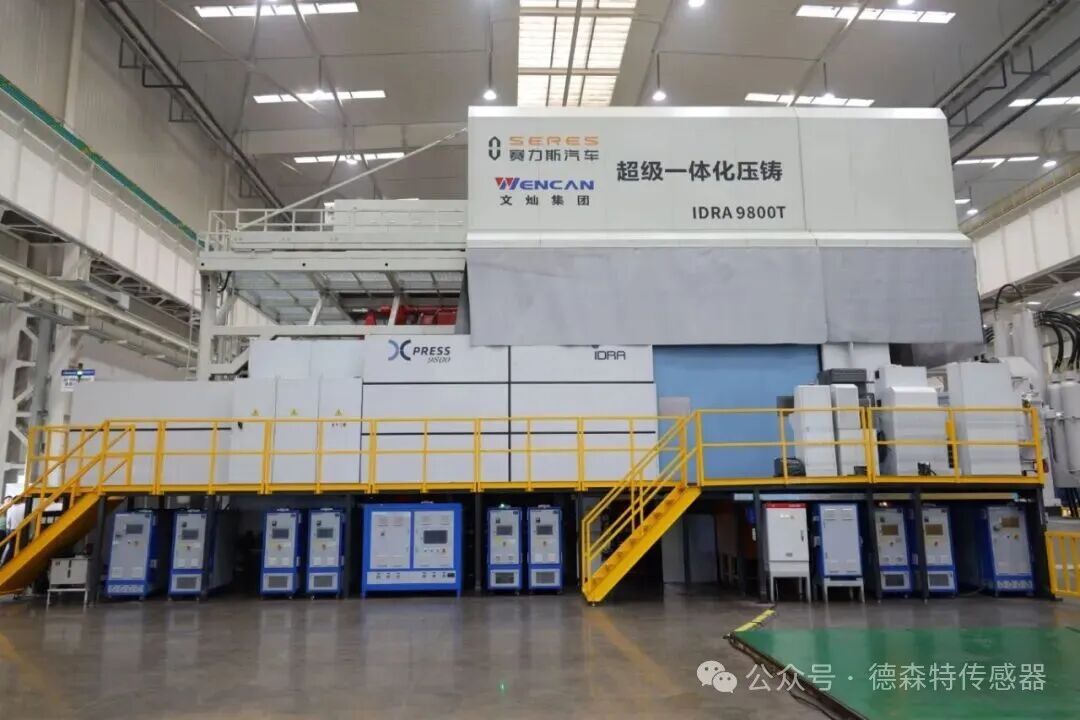
The application locations of force sensors in large die-casting machines
7c754f1c187d2fb70786a6dd0ca7db94.jpg
In large die-casting machines, force sensors are mainly deployed in the following key areas:
Clamping mechanism: Monitors the clamping force to ensure that the mold remains closed during the high-pressure injection process, preventing material flying off or damage to the mold.
Injection System: Real-time measurement of the pushing force of the injection plunger, precise control of the filling speed and pressure of the molten metal, ensuring the internal quality of the castings.
Ejection mechanism: Measure the ejection force to ensure that the molded part can be smoothly demolded without deformation or damage.
Injection cylinder and boost cylinder: Monitor injection force and boost force to achieve precise control of the metal flow state.
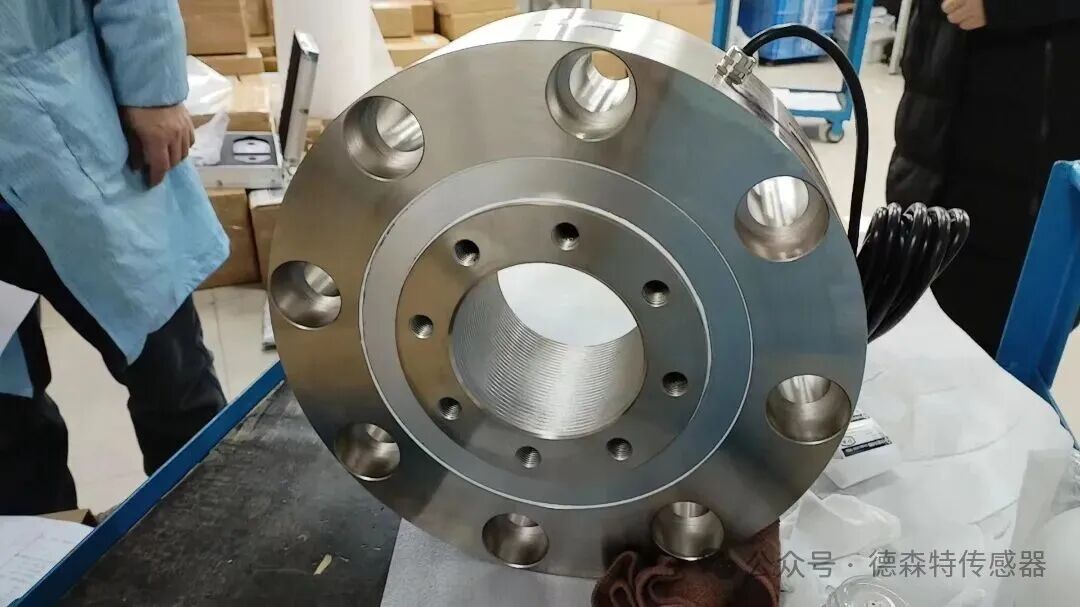
Sensor type selection: Comparison between column type and spoke type
200t wheel frame.jpg
Under the high load and harsh working conditions of large die-casting machines, the wheel frame type force sensor usually has more advantages compared to the column type sensor:
Space adaptability: The spoke-type structure is of a low height and is easy to integrate into the compact mechanical structure of the die-casting machine.
Anti-bias load capability: Its design is capable of effectively resisting interference from non-axisial forces, making it suitable for the complex stress conditions encountered during the die-casting process.
Accuracy and stability: Radial sensors typically offer higher accuracy and long-term stability, meeting the demanding requirements of the die-casting process.
Range matching: The measurement range required for large die-casting machines often reaches hundreds to thousands of tons. The hub-type sensor performs reliably in large-tonnage measurements.
Although the column-type sensor has a simple structure and low cost, it has relatively weak lateral force resistance and is more suitable for scenarios where the load direction is purely vertical and the space is ample.
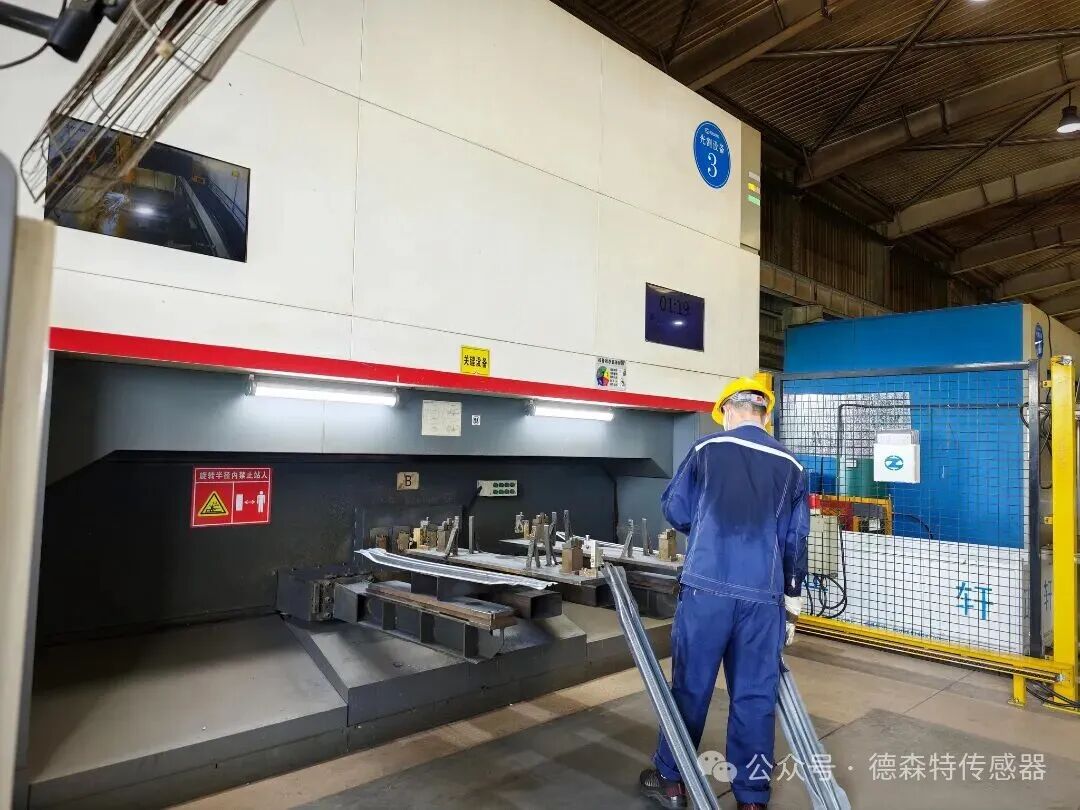
The core requirements for force sensors in large die-casting machines
07672d51323937533d76799d7acd396a.jpg
Extremely high range and accuracy: Capable of withstanding tens of thousands of tons of clamping force while maintaining a measurement accuracy within ±0.1%.
High-temperature stability: The die-casting environment temperature can reach above 150°C. The sensor must have excellent thermal stability and temperature compensation capabilities.
Excellent overload and shock resistance: The impact force during the injection process is extremely high, and the overload capacity of the sensor needs to be above 150%.
Strong anti-interference capability: Resistant to vibrations, hydraulic fluctuations, electromagnetic interference and other on-site factors.
Long-term reliability: Maintains stable performance under continuous production and high cycle pressure, and the lifespan should match the major overhaul cycle of the die-casting machine.
Protection level: At least IP67, preventing metal chips, oil stains and coolant from entering.
Fast dynamic response: Real-time monitoring of pressure changes, with response time at the millisecond level.
As integrated die-casting technology continues to evolve towards larger sizes and more complex structures, force sensing technology will further integrate intelligent functions such as adaptive pressure regulation, wear warning, and process data traceability. The integration of multiple sensors (force, position, temperature) will become the key to enhancing the quality and efficiency of die-casting.
Desson Sensor has a leading domestic sensor research and development team, which can customize dedicated force sensors for various die-casting machines. At the same time, Desson has a complete sensor production line, and has an absolute advantage in product quality and delivery time. Customers with needs are welcome to contact us by phone.


