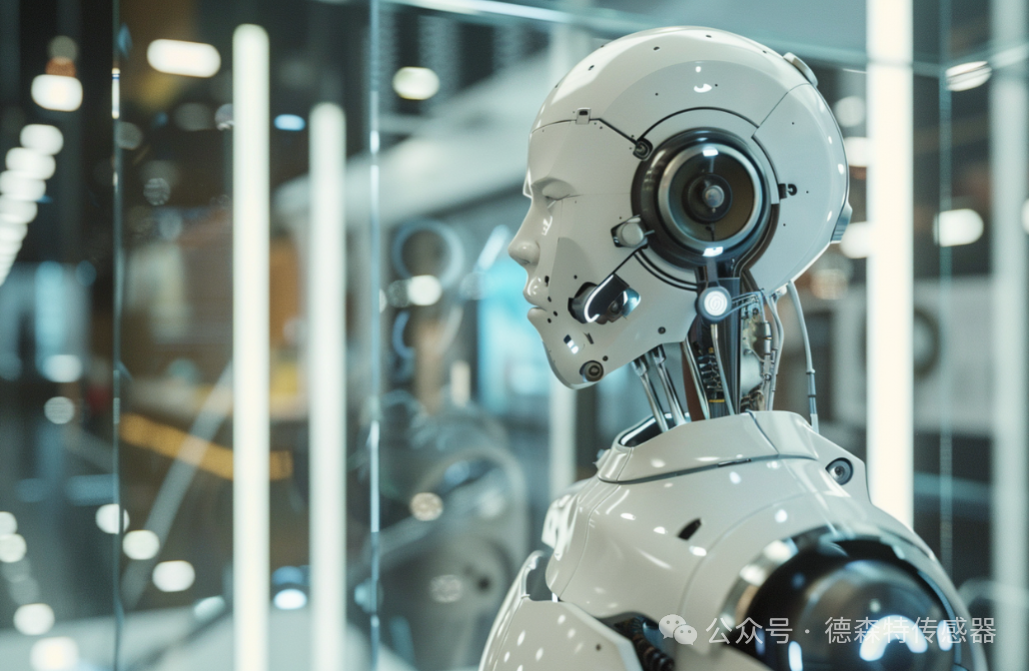
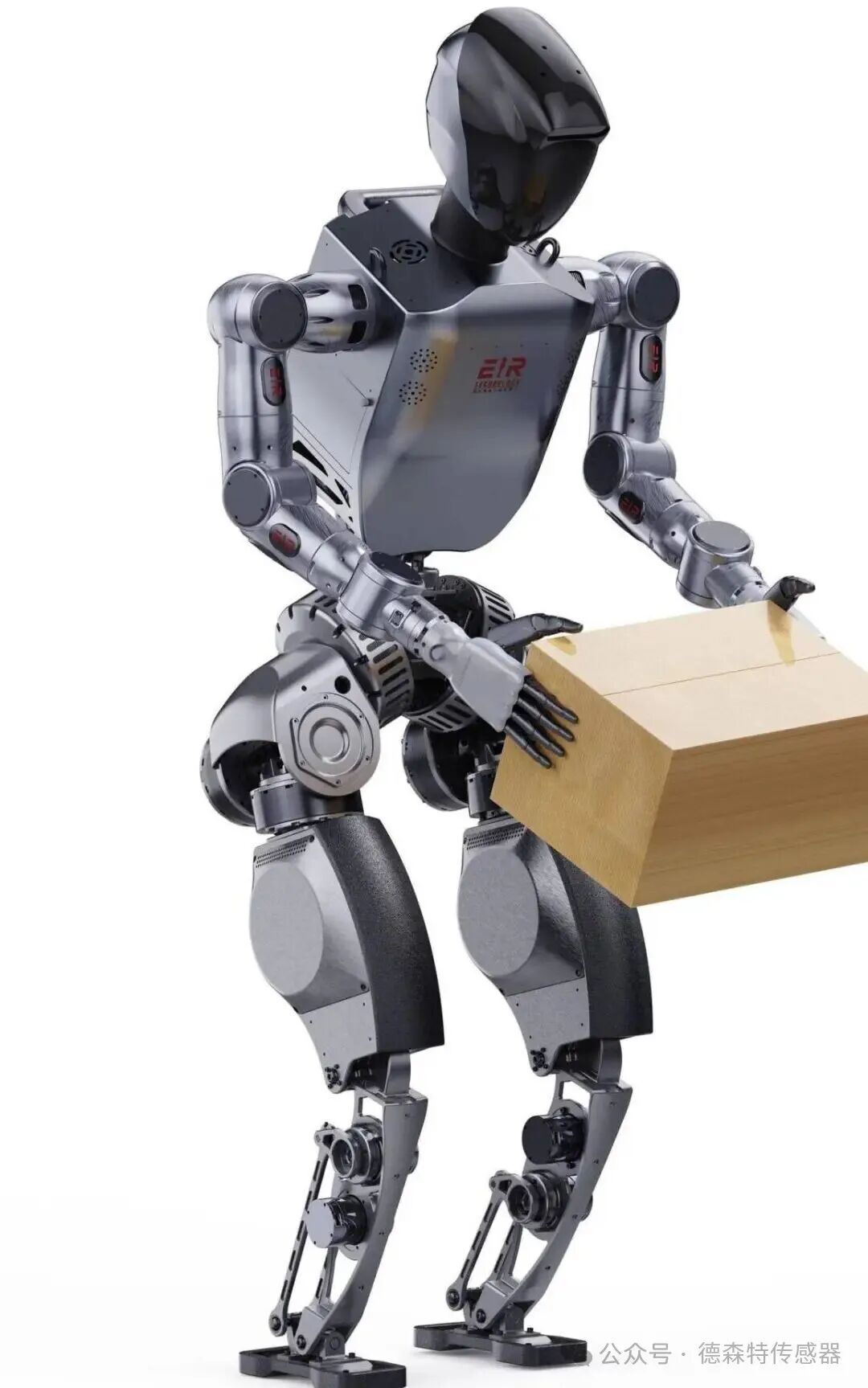
Recently, the social media platforms have been filled with all kinds of humanoid robots. From the lively "robot grandsons" on the stage of the Spring Festival Gala, to the tireless mechanical figures moving materials in the ZEEKR factory, and to the receptionists having natural conversations with people at various exhibitions - by the beginning of 2026, humanoid robots seemed to have "escaped" from the laboratory and entered the real world overnight.
The turning point has arrived: it's not just about "showing off skills", but rather about "submitting the final report"
Over the past few years, we have witnessed robots showcasing their "muscles": running, jumping, and doing backflips, earning rounds of applause. But after the applause, most of them returned to the laboratories. However, in 2026, the scene completely changed.
Wanlian Securities recently released a report stating that the humanoid robot industry is currently at a "dawn moment", and 2026 will be a crucial window for mass production implementation and scenario verification. Orient Securities also pointed out that, benefiting from the dual boosts of policies and industry development, coupled with the imminent release of Tesla V3, the industry will enter an explosive period of capacity expansion.
More concrete data comes from the market: IDC predicts that the market size of embodied intelligent robots in China is expected to exceed 11 billion US dollars by 2026. And Jiang Zheyuan, the founder of Songyan Power, even stated outright that this year is the "year of submission" for the industry and regards "delivery of tens of thousands of units" as the core threshold for the development of the enterprise. You should know that the total delivery scale of humanoid robots worldwide last year was only around 10,000 units. If a manufacturer can achieve over 10,000 deliveries this year, it means that the industry is racing forward at a doubling speed.
Dexterous Hands: From "Iron Mass" to "Master of Touch"
For robots to truly leave the factory and enter the home, merely being able to perform parkour is not enough. The key lies in whether they can "handle detailed tasks".
Behind this, there lies a golden track - sensors. If AI large models are the "brains" of robots, then sensors are their "nerve endings". Especially the joint torque sensors and six-dimensional force sensors, they determine whether robots can have as delicate tactile senses as humans.
In more complex industrial operations, the six-dimensional force sensor acts as the "wrist nerves" of the robot. It enables the robot to perceive the forces and torques in each dimension of the three-dimensional space in real time.
What is even more exciting is that this technological wave is giving rise to a number of cutting-edge technology enterprises.
Giving robots a "Chinese touch"
In this battle of perception technology, we have witnessed an increasing number of Chinese enterprises. After all, to support the precise movements of humanoid robots with dozens of joints, high-performance and highly reliable sensing cores are indispensable.
In this field, Detent (Shenzhen) Sensor System Engineering Co., Ltd. is quietly building up its own technological moat.
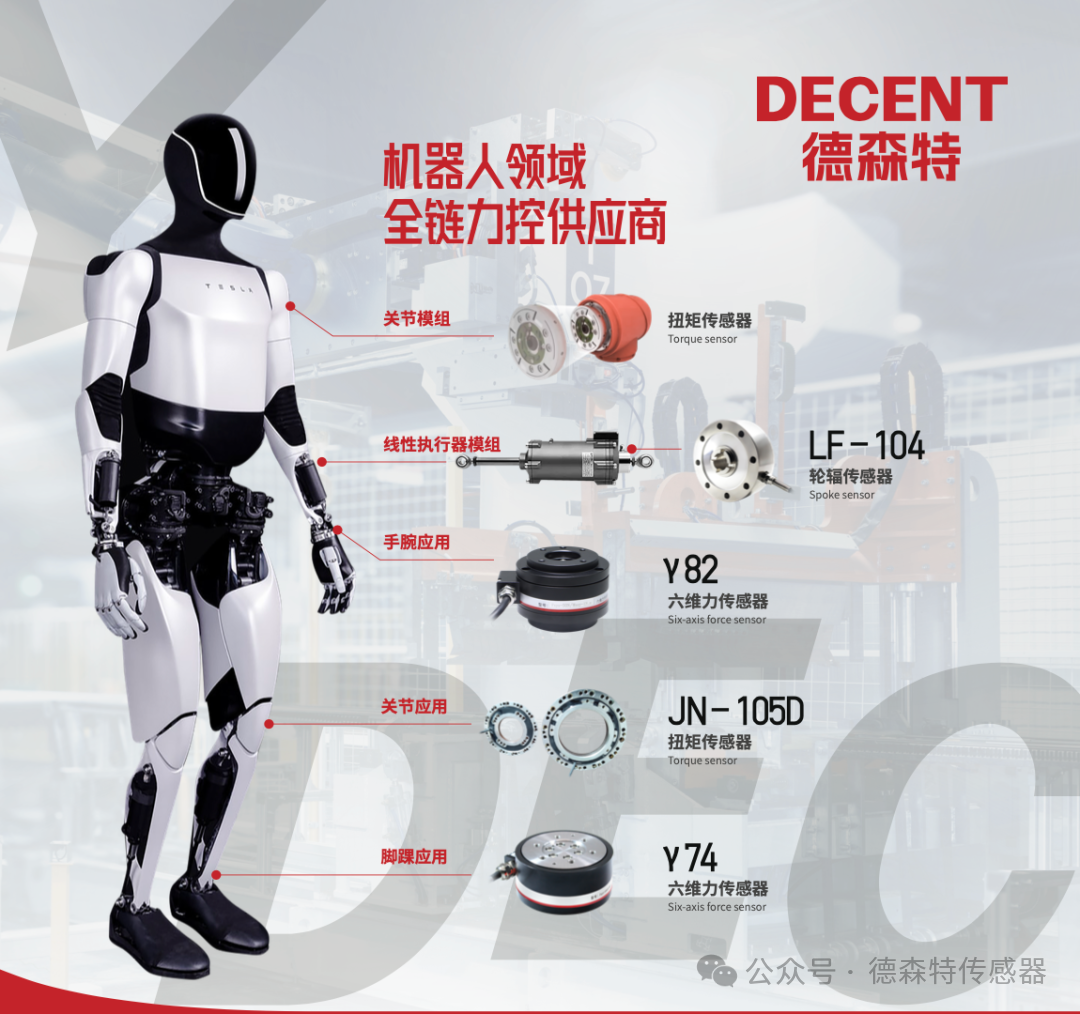
In the most crucial "joints" and "wrist" areas of humanoid robots, the product layout of Dentsent is extremely precise:
Torque sensor: This is akin to the "motor neurons" of a robot. When a robot's joints rotate or extend, they need to promptly sense changes in torque to adjust their posture. This sensor from Dessenet is capable of accurately capturing minute torque variations during high-speed operation, ensuring that the robot can perform actions smoothly and fluidly, whether it is lifting heavy objects or gently touching objects, without causing damage to itself or harming others due to excessive force.
Six-dimensional force sensor: This is the "touch sensation" of the robot's "fingertips". When the robot's wrist is equipped with a six-dimensional force sensor, it gains the ability to "feel". Whether it is the smooth alignment when performing precise assembly by "drilling into the hole whenever it sees one", or gently touching the screen with the fingertip or picking up an egg, all rely on this comprehensive force feedback. Densent integrates optical, mechanical, electrical, and computing technologies, and its six-dimensional force sensor is the core hardware for achieving such precise operations.
It can be said that from the powerful joint movement for heavy lifting to the meticulous perception required for delicate embroidery, DessenTech Sensing not only provides components, but also offers the fundamental capabilities necessary for humanoid robots to achieve "anthropomorphic" operations.